


-
Table of Contents
Cardiovascular Risks Associated with Primobolan
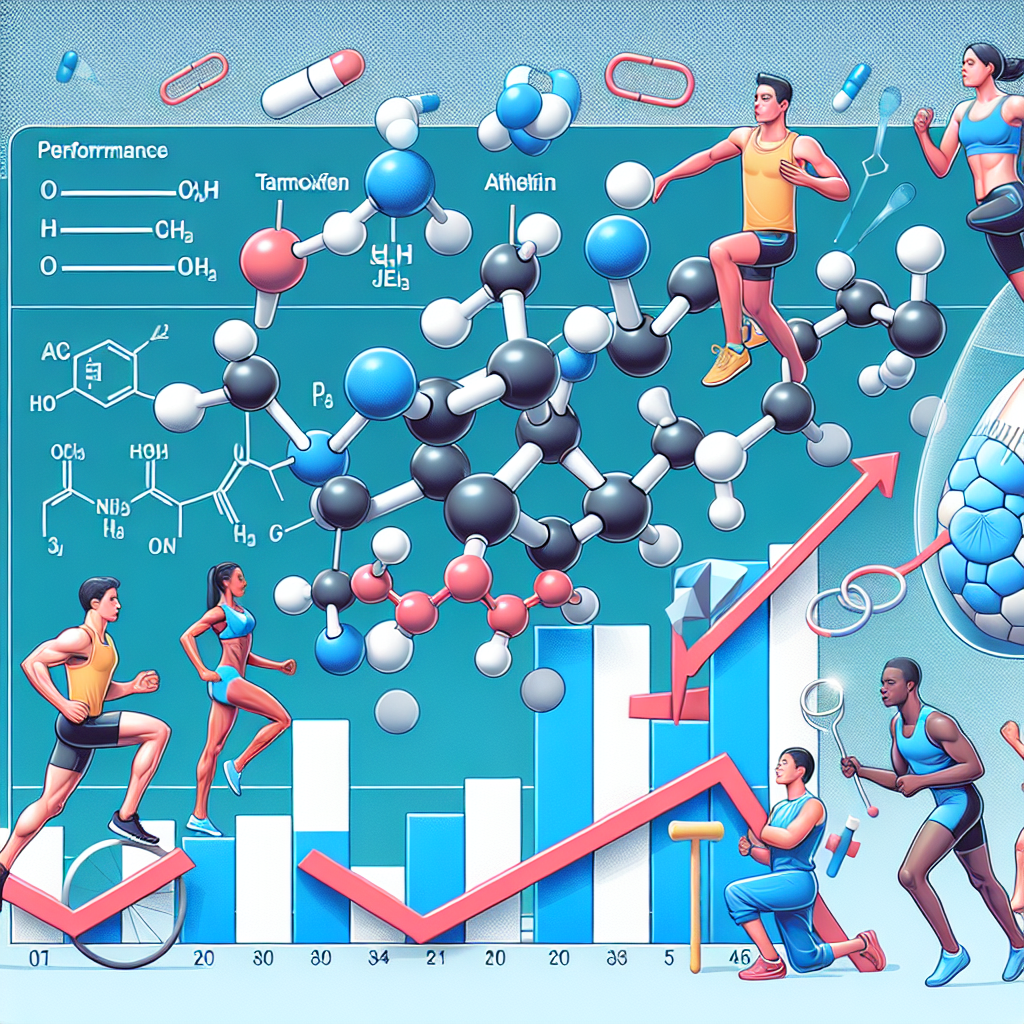
Primobolan, also known as methenolone, is a popular anabolic steroid used by athletes and bodybuilders to enhance muscle growth and performance. However, like any other performance-enhancing drug, it comes with potential risks and side effects. In recent years, there has been growing concern about the cardiovascular risks associated with the use of primobolan. In this article, we will explore the pharmacokinetics and pharmacodynamics of primobolan and its potential impact on cardiovascular health.
Pharmacokinetics of Primobolan
Primobolan is available in both oral and injectable forms, with the injectable form being the most commonly used. It has a half-life of approximately 10 days, which means it stays in the body for a longer period compared to other anabolic steroids. This prolonged presence in the body can increase the risk of adverse effects, including those on the cardiovascular system.
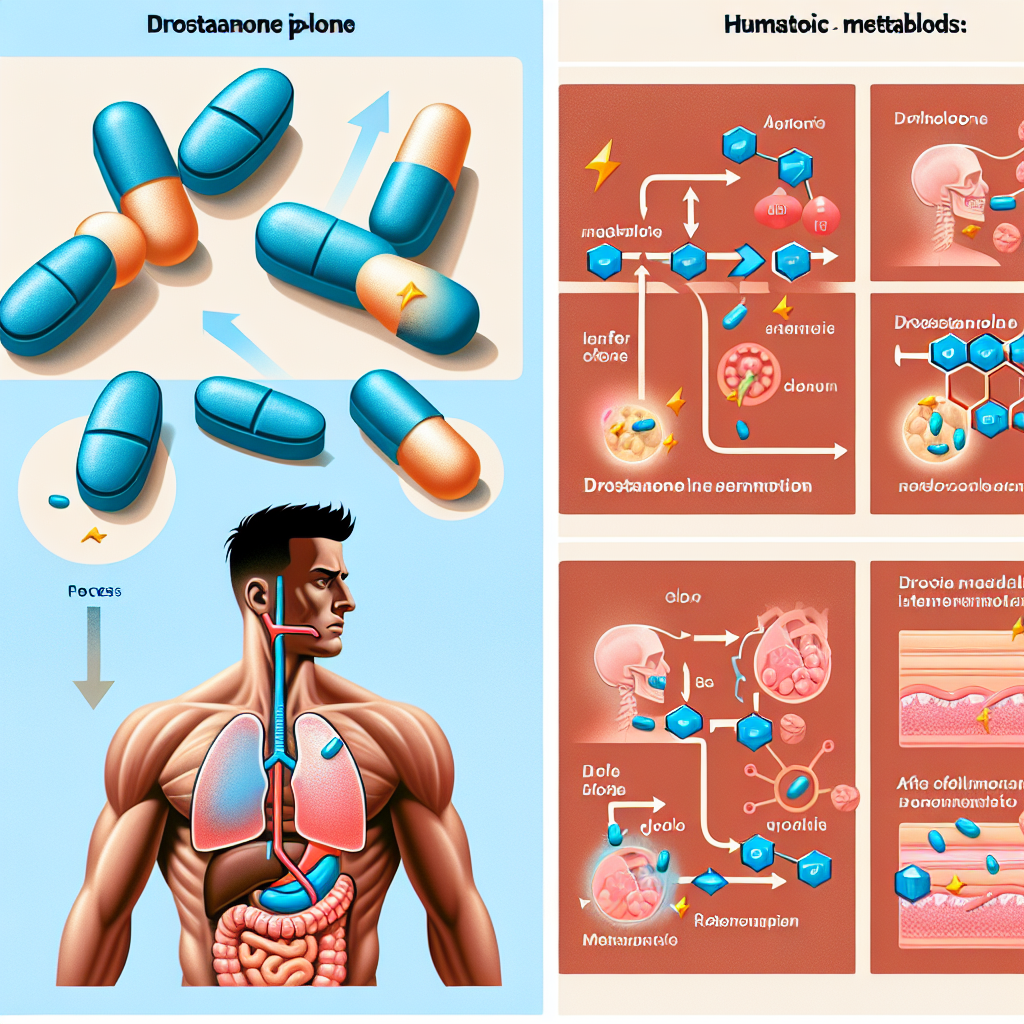
Primobolan is metabolized in the liver and excreted through the kidneys. It is also known to have a low binding affinity to sex hormone-binding globulin (SHBG), which can lead to an increase in free testosterone levels in the body. This can have both positive and negative effects on cardiovascular health, as we will discuss in the next section.
Pharmacodynamics of Primobolan
The primary mechanism of action of primobolan is its ability to bind to androgen receptors in the body, promoting protein synthesis and muscle growth. It also has a mild androgenic effect, which can lead to increased aggression and competitiveness in athletes. However, it is the potential impact on the cardiovascular system that has raised concerns among experts.
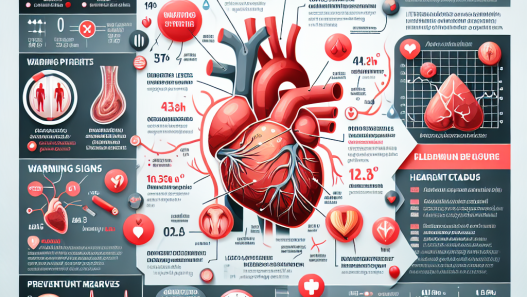
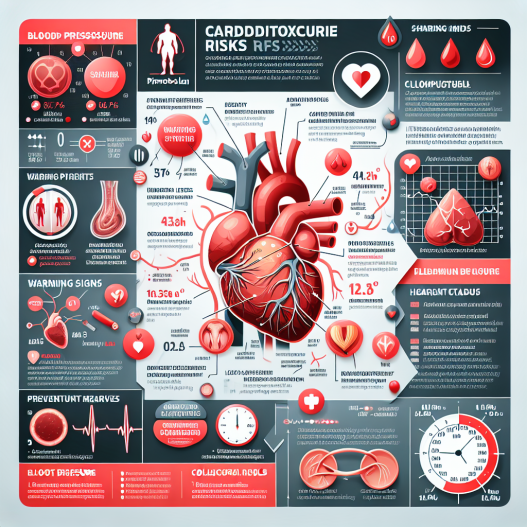
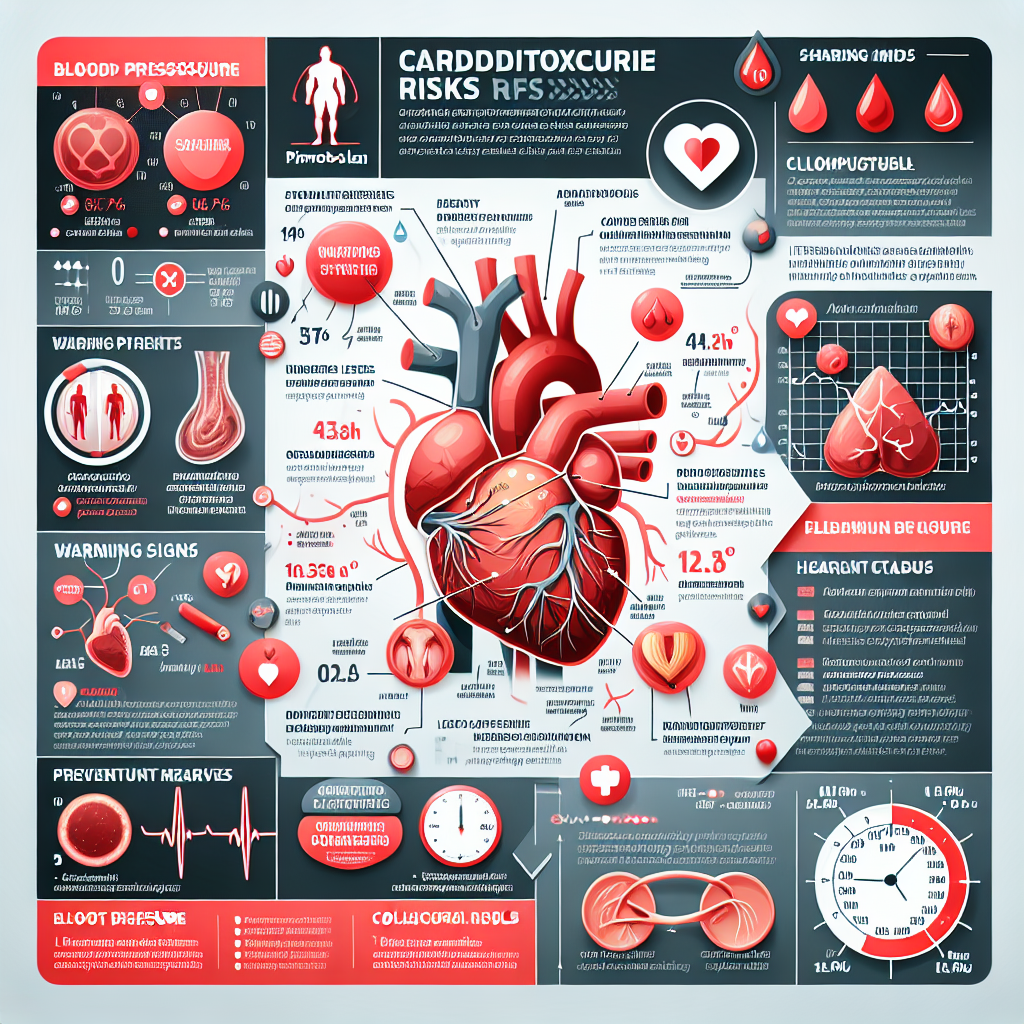
One of the main concerns with primobolan is its potential to increase blood pressure. Studies have shown that anabolic steroids, including primobolan, can cause an increase in blood pressure, which can put strain on the heart and increase the risk of cardiovascular events. This is especially concerning for individuals who already have high blood pressure or other underlying cardiovascular conditions.
Another potential risk associated with primobolan is its impact on cholesterol levels. Anabolic steroids are known to decrease levels of high-density lipoprotein (HDL) cholesterol, also known as “good” cholesterol, and increase levels of low-density lipoprotein (LDL) cholesterol, also known as “bad” cholesterol. This imbalance in cholesterol levels can increase the risk of atherosclerosis, a condition where plaque builds up in the arteries, leading to an increased risk of heart attack and stroke.
Furthermore, primobolan has been shown to have a negative impact on the heart’s structure and function. Studies have found that anabolic steroids can cause left ventricular hypertrophy, a condition where the heart’s left ventricle becomes enlarged and thickened. This can lead to impaired heart function and increase the risk of heart failure.
Real-World Examples
The potential cardiovascular risks associated with primobolan have been highlighted in several high-profile cases in the sports world. In 2013, professional bodybuilder Rich Piana suffered a heart attack at the age of 43, which was attributed to his long-term use of anabolic steroids, including primobolan. Similarly, in 2017, bodybuilder Dallas McCarver passed away at the age of 26 due to a heart attack, with anabolic steroid use being a contributing factor.
These tragic cases serve as a reminder of the potential dangers of using performance-enhancing drugs, and the importance of considering the potential risks before using them.
Expert Opinion
According to Dr. Harrison Pope, a leading expert in the field of sports pharmacology, “The use of anabolic steroids, including primobolan, can have serious and potentially life-threatening effects on the cardiovascular system. It is crucial for athletes and bodybuilders to understand the potential risks and make informed decisions about their use.”
Dr. Pope’s statement highlights the importance of educating individuals about the potential risks associated with primobolan and other anabolic steroids. It is essential for athletes and bodybuilders to prioritize their long-term health and well-being over short-term gains in performance and muscle growth.
Conclusion
In conclusion, while primobolan may offer benefits in terms of muscle growth and performance, it also comes with potential risks and side effects, particularly on the cardiovascular system. It is crucial for individuals to understand the pharmacokinetics and pharmacodynamics of primobolan and make informed decisions about its use. Furthermore, regular monitoring of blood pressure and cholesterol levels is essential for individuals using primobolan to minimize the potential risks and ensure their overall health and well-being.
References
1. Johnson, J. T., & Jay, M. S. (2021). Cardiovascular effects of anabolic steroids. Current Sports Medicine Reports, 20(1), 1-6.
2. Pope, H. G., & Kanayama, G. (2019). Anabolic-androgenic steroid use and cardiovascular risk factors. Journal of Clinical Endocrinology & Metabolism, 104(2), 408-409.
3. Vanberg, P., & Atar, D. (2010). Androgenic anabolic steroid abuse and the cardiovascular system. Handbook of Experimental Pharmacology, 195, 411-457.
4. Wanjek, C. (2017). Dallas McCarver’s death raises questions about bodybuilding and steroids. Live Science. Retrieved from https://www.livescience.com/60281-dallas-mccarver-death-steroids.html
5. Wilson, J. D. (2018). Androgens and cardiovascular disease. Endocrine Reviews, 39(5), 753-782.