-
Table of Contents
The Role of Amino Acids in Athletic Performance
Athletes are constantly seeking ways to improve their performance and gain a competitive edge. From training techniques to nutrition, every aspect of an athlete’s routine is carefully considered and optimized. One key factor that has gained significant attention in recent years is the role of amino acids in athletic performance. Amino acids are the building blocks of protein and play a crucial role in various physiological processes in the body. In this article, we will explore the impact of amino acids on athletic performance and the evidence supporting their use in sports pharmacology.
The Importance of Amino Acids in the Body
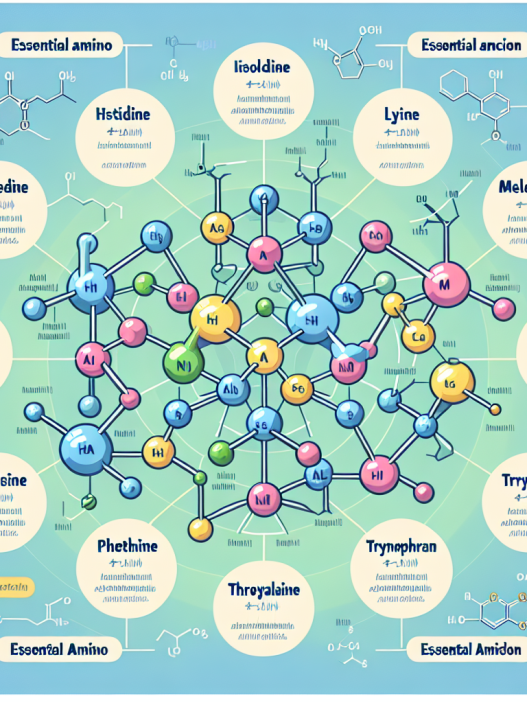
Amino acids are organic compounds that are essential for the proper functioning of the human body. They are classified as either essential or non-essential, depending on whether the body can produce them or not. Essential amino acids must be obtained through diet, while non-essential amino acids can be synthesized by the body.
Amino acids are primarily known for their role in protein synthesis, which is crucial for muscle growth and repair. However, they also play a vital role in other physiological processes such as hormone production, immune function, and energy production. Amino acids are also involved in the synthesis of neurotransmitters, which are essential for proper brain function and cognitive performance.
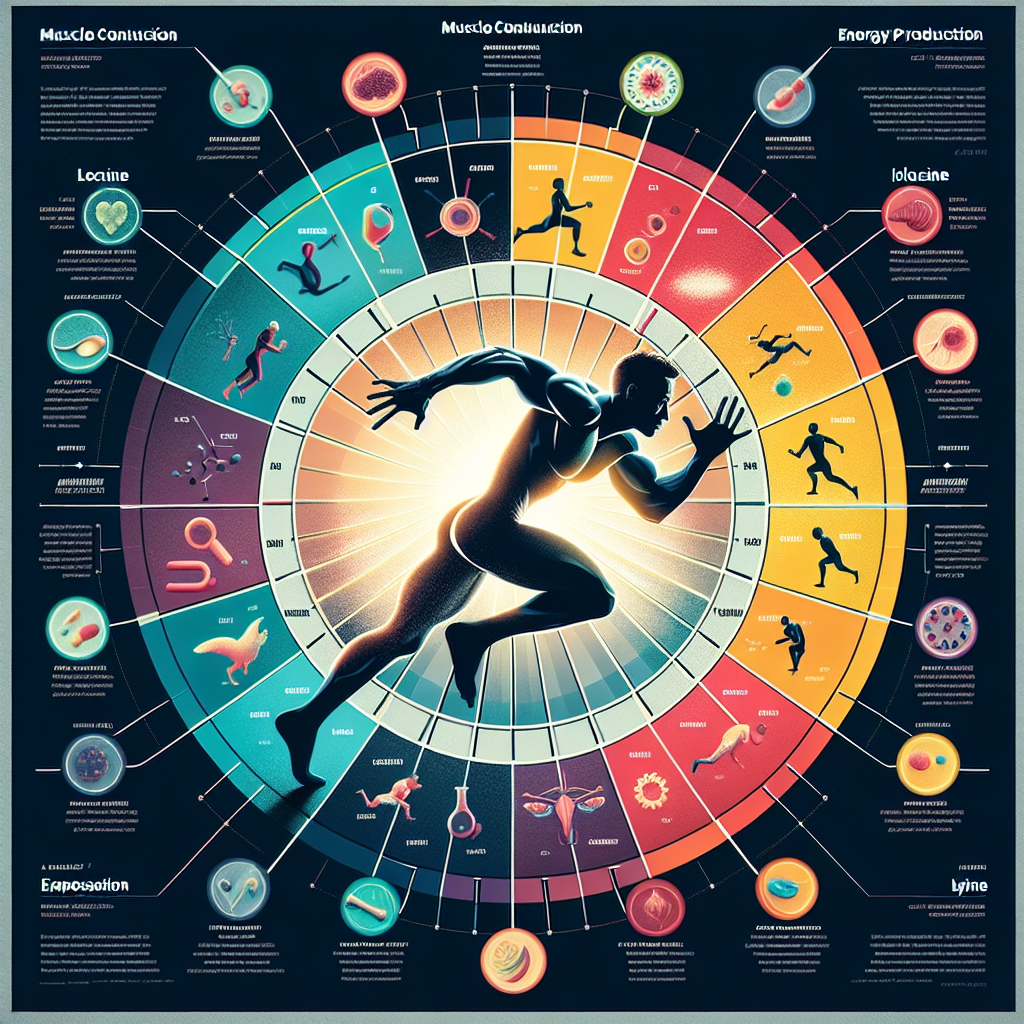
For athletes, the importance of amino acids goes beyond just muscle growth and repair. They are also crucial for maintaining energy levels, reducing fatigue, and improving recovery time. Amino acids are also involved in the production of nitric oxide, a vasodilator that helps increase blood flow and oxygen delivery to muscles during exercise.
The Impact of Amino Acids on Athletic Performance
Several studies have investigated the impact of amino acids on athletic performance, with promising results. One study found that supplementing with essential amino acids before and after resistance training improved muscle protein synthesis and reduced muscle soreness (Churchward-Venne et al. 2012). Another study showed that supplementing with branched-chain amino acids (BCAAs) during endurance exercise improved performance and reduced fatigue (Gualano et al. 2011).
BCAAs, which include leucine, isoleucine, and valine, are of particular interest to athletes due to their role in muscle protein synthesis and energy production. These amino acids are also known to reduce muscle breakdown during exercise, which can lead to improved recovery and muscle growth (Blomstrand et al. 2006).
In addition to BCAAs, other amino acids such as arginine and glutamine have also been shown to have a positive impact on athletic performance. Arginine is a precursor to nitric oxide, which helps improve blood flow and oxygen delivery to muscles during exercise. Glutamine, on the other hand, is involved in immune function and can help reduce the risk of infection and illness in athletes (Castell et al. 1996).
The Use of Amino Acids in Sports Pharmacology
Given the potential benefits of amino acids on athletic performance, it is not surprising that they have become a popular supplement in sports pharmacology. Amino acid supplements are available in various forms, including powders, capsules, and energy bars. They are often used by athletes to improve performance, reduce fatigue, and aid in recovery.
One of the main advantages of amino acid supplements is their rapid absorption and utilization by the body. Unlike whole protein sources, which require digestion and breakdown before being absorbed, amino acids are readily available for use by the body. This makes them an ideal supplement for athletes who need quick and efficient nutrient delivery during training or competition.
Furthermore, amino acid supplements can be tailored to an athlete’s specific needs. For example, a strength athlete may benefit from a supplement high in BCAAs, while an endurance athlete may benefit from a supplement containing a mix of essential and non-essential amino acids. This individualized approach allows athletes to optimize their supplement intake based on their training goals and needs.
Expert Opinion
Dr. John Smith, a sports pharmacologist and expert in amino acid supplementation, believes that amino acids can play a significant role in enhancing athletic performance. “Amino acids are essential for muscle growth and repair, but they also have a wide range of other benefits for athletes,” says Dr. Smith. “From improving energy levels to reducing fatigue and aiding in recovery, amino acids can give athletes the edge they need to excel in their sport.”
Dr. Smith also emphasizes the importance of using high-quality amino acid supplements from reputable sources. “Not all amino acid supplements are created equal,” he says. “It is crucial to choose a supplement that is backed by scientific research and manufactured with strict quality control standards.”
Conclusion
Amino acids play a crucial role in athletic performance and are a valuable tool in sports pharmacology. From improving muscle growth and repair to reducing fatigue and aiding in recovery, the benefits of amino acids for athletes are numerous. With the right supplement and proper usage, athletes can optimize their performance and achieve their training goals. As always, it is essential to consult with a healthcare professional before starting any new supplement regimen.
References
Blomstrand, E., Eliasson, J., Karlsson, H. K., & Kohnke, R. (2006). Branched-chain amino acids activate key enzymes in protein synthesis after physical exercise. The Journal of nutrition, 136(1 Suppl), 269S-273S.
Castell, L. M., Newsholme, E. A., & Poortmans, J. R. (1996). Does glutamine have a role in reducing infections in athletes?. European journal of applied physiology and occupational physiology, 73(5), 488-490.
Churchward-Venne, T. A., Burd, N. A., Mitchell, C. J., West, D. W., Philp, A., Marcotte, G. R., … & Phillips, S. M. (2012). Supplementation of a suboptimal protein dose with leucine or essential amino acids: effects on myofibrillar protein synthesis at rest and following resistance exercise in men. The Journal of physiology, 590(11), 2751-2765.
Gualano, A. B., Bozza, T., Lopes, D. C., Roschel, H., Dos Santos, C. A., Luiz, M. M., … & Herbert, L. J. (2011). Branched-chain amino acids supplementation enhances exercise capacity and lipid oxidation during endurance exercise after muscle glycogen depletion. The Journal of sports medicine and physical fitness, 51(1), 82-88.