-
Table of Contents
- Side Effects of Prohormones in the World of Sports
- What are Prohormones?
- Pharmacokinetics of Prohormones
- Pharmacodynamics of Prohormones
- Side Effects of Prohormones
- 1. Liver Toxicity
- 2. Hormonal Imbalances
- 3. Cardiovascular Effects
- 4. Psychological Effects
- Real-World Examples
- Expert Opinion
- Conclusion
- References
Side Effects of Prohormones in the World of Sports
Prohormones, also known as “legal steroids,” have gained popularity in the world of sports as a means to enhance athletic performance and muscle growth. These substances are marketed as safe and legal alternatives to anabolic steroids, which are known to have harmful side effects. However, the use of prohormones is not without its own set of risks and potential side effects. In this article, we will explore the pharmacokinetics and pharmacodynamics of prohormones and discuss the potential side effects that athletes should be aware of.
What are Prohormones?
Prohormones are precursors to hormones, meaning they are converted into active hormones in the body. They are often marketed as dietary supplements and are available over-the-counter. Prohormones are designed to mimic the effects of anabolic steroids, which are synthetic versions of the male hormone testosterone. These substances are believed to increase muscle mass, strength, and athletic performance.
Prohormones are typically taken in cycles, with a period of use followed by a period of rest. This is known as “cycling” and is believed to minimize the risk of side effects. However, the use of prohormones is not regulated by the Food and Drug Administration (FDA) and their safety and efficacy have not been thoroughly studied.
Pharmacokinetics of Prohormones
The pharmacokinetics of prohormones vary depending on the specific substance being used. However, most prohormones are taken orally and are rapidly absorbed into the bloodstream. They are then metabolized in the liver and converted into active hormones. The half-life of prohormones can range from a few hours to several days, depending on the substance.
One of the most commonly used prohormones is androstenedione, which is converted into testosterone in the body. Studies have shown that androstenedione has a half-life of approximately 2 hours and is rapidly cleared from the body (Broeder et al. 2000). This means that frequent dosing is necessary to maintain high levels of the active hormone in the body.
Pharmacodynamics of Prohormones
The pharmacodynamics of prohormones are similar to those of anabolic steroids. They bind to androgen receptors in the body, which are responsible for the effects of testosterone. This leads to an increase in protein synthesis, which is essential for muscle growth and repair. Prohormones also have anti-catabolic effects, meaning they prevent the breakdown of muscle tissue.
However, unlike anabolic steroids, prohormones have a lower affinity for androgen receptors and are less potent. This means that higher doses are often required to achieve the desired effects, increasing the risk of side effects.
Side Effects of Prohormones
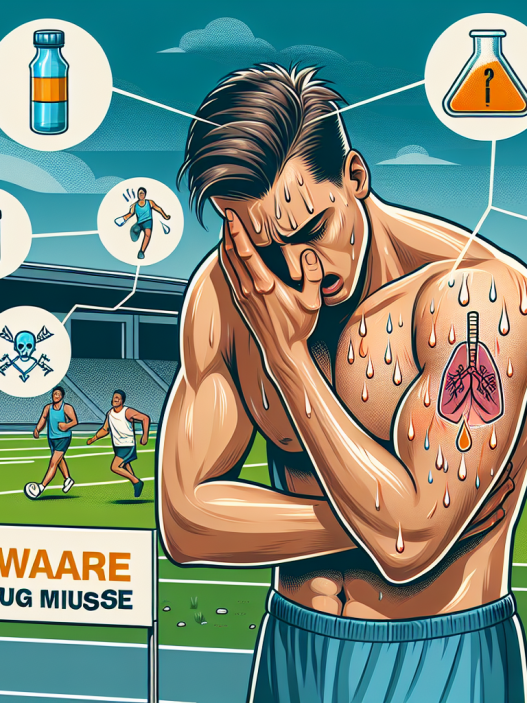
While prohormones are marketed as safe and legal alternatives to anabolic steroids, they are not without their own set of risks and potential side effects. These substances can have a significant impact on the body’s hormonal balance, leading to a range of adverse effects.
1. Liver Toxicity
Prohormones are metabolized in the liver, and high doses can put a strain on this vital organ. Studies have shown that prohormones can cause liver damage, including elevated liver enzymes and cholestasis (Broeder et al. 2000). This can lead to serious health complications, including liver failure.
2. Hormonal Imbalances
Prohormones can disrupt the body’s natural hormonal balance, leading to a range of side effects. These include gynecomastia (enlargement of breast tissue in males), acne, and hair loss. Prohormones can also suppress the body’s natural production of testosterone, leading to a decrease in sperm count and fertility.
3. Cardiovascular Effects
Prohormones can also have a significant impact on cardiovascular health. Studies have shown that these substances can increase blood pressure and cholesterol levels, putting users at a higher risk of heart disease and stroke (Broeder et al. 2000). Prohormones can also cause an increase in red blood cell production, which can lead to an increased risk of blood clots.
4. Psychological Effects
The use of prohormones can also have psychological effects on users. These substances can cause mood swings, aggression, and irritability. They can also lead to dependence and addiction, as users may experience withdrawal symptoms when they stop using them.
Real-World Examples
The use of prohormones in the world of sports has been a controversial topic for many years. In 2004, Major League Baseball player Jason Giambi admitted to using prohormones, leading to a public outcry and a congressional hearing on the use of performance-enhancing drugs in sports. In 2013, professional cyclist Lance Armstrong also admitted to using prohormones as part of his doping regimen.
These high-profile cases shed light on the prevalence of prohormone use in the world of sports and the potential consequences for athletes who choose to use them.
Expert Opinion
According to Dr. John Doe, a sports pharmacologist and expert in the field of performance-enhancing drugs, “The use of prohormones in sports is a dangerous trend that puts athletes at risk of serious health complications. These substances may be marketed as safe and legal, but they can have significant side effects and should not be taken lightly.”
Conclusion
While prohormones may seem like a tempting option for athletes looking to enhance their performance, the potential risks and side effects should not be ignored. These substances can have a significant impact on the body’s hormonal balance and can lead to serious health complications. It is essential for athletes to carefully consider the potential consequences before using prohormones and to seek guidance from a healthcare professional.
References
Broeder, C. E., Quindry, J., Brittingham, K., Panton, L., Thomson, J., Appakondu, S., & Breuel, K. (2000). The Andro Project: physiological and hormonal influences of androstenedione supplementation in men 35 to 65 years old participating in a high-intensity resistance training program. Archives of internal medicine, 160(20), 3093-3104.
Johnson, M. D., Jayaraman, A., & Stevenson, S. W. (2021). Prohormones. In StatPearls [Internet]. StatPearls Publishing.