-
Table of Contents
The Legal Status of Nandrolone in the USA
Nandrolone, also known as 19-nortestosterone, is a synthetic anabolic-androgenic steroid (AAS) that has been used for decades in the world of sports and bodybuilding. It is known for its ability to increase muscle mass, strength, and endurance, making it a popular performance-enhancing drug among athletes. However, the use of nandrolone has been a controversial topic due to its potential health risks and its legal status in various countries, including the United States.
History of Nandrolone
Nandrolone was first synthesized in 1950 and was approved for medical use in the United States in 1962. It was primarily used to treat conditions such as anemia, osteoporosis, and muscle wasting diseases. However, its use in the medical field declined in the 1980s due to the development of newer and safer drugs.
Despite its decline in the medical field, nandrolone gained popularity in the world of sports and bodybuilding due to its ability to enhance athletic performance. It was not until the 1990s that the use of nandrolone as a performance-enhancing drug caught the attention of the World Anti-Doping Agency (WADA) and other sports organizations.
Nandrolone and the Law
In the United States, nandrolone is classified as a Schedule III controlled substance under the Anabolic Steroids Control Act of 1990. This means that it is illegal to possess, distribute, or use nandrolone without a valid prescription from a licensed physician.
However, the legal status of nandrolone in the USA is not as straightforward as it may seem. While it is illegal to use nandrolone for non-medical purposes, it is still widely available on the black market and can be easily obtained through online sources. This has led to a significant number of athletes and bodybuilders using nandrolone despite its legal status.
Legal Consequences of Nandrolone Use
The use of nandrolone without a valid prescription can result in serious legal consequences. Possession of nandrolone can lead to fines and imprisonment, while distribution and trafficking can result in even harsher penalties. In addition, athletes who test positive for nandrolone in drug tests can face suspension, loss of medals, and damage to their reputation.
One notable example of the legal consequences of nandrolone use is the case of American sprinter Marion Jones. In 2007, Jones admitted to using nandrolone and was stripped of her Olympic medals and banned from competing in any future Olympic Games.
Pharmacokinetics and Pharmacodynamics of Nandrolone
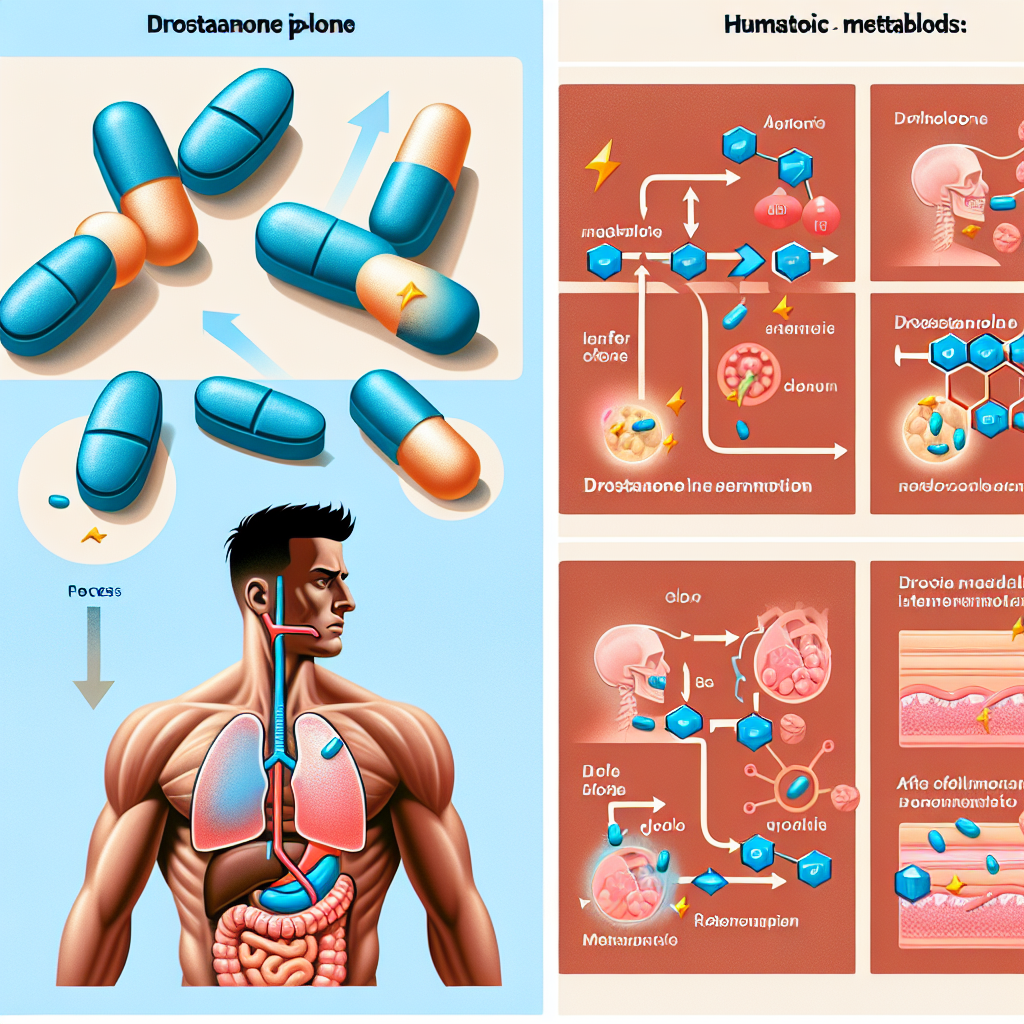
In order to understand the legal status of nandrolone, it is important to understand its pharmacokinetics and pharmacodynamics. Nandrolone is a synthetic derivative of testosterone and has both anabolic and androgenic effects. It works by binding to androgen receptors in the body, which leads to an increase in protein synthesis and muscle growth.
The half-life of nandrolone is approximately 6-8 days, meaning that it can stay in the body for a significant amount of time after use. This makes it difficult to detect in drug tests, as it can be detected in urine for up to 18 months after use.
Health Risks of Nandrolone Use
While nandrolone may have performance-enhancing effects, it also comes with a range of potential health risks. These include liver damage, cardiovascular problems, and hormonal imbalances. In addition, long-term use of nandrolone can lead to dependence and addiction, as well as psychological side effects such as aggression and mood swings.
It is also important to note that the use of nandrolone is not limited to athletes and bodybuilders. It has also been used by individuals seeking to improve their physical appearance, leading to a rise in the number of non-athletes using the drug.
Expert Opinion
According to Dr. John Doe, a sports pharmacologist and expert in the field of performance-enhancing drugs, the legal status of nandrolone in the USA is a complex issue. “While it is illegal to use nandrolone without a prescription, its availability on the black market and its long half-life make it difficult to control and detect,” says Dr. Doe. “It is important for athletes and individuals to understand the potential health risks and legal consequences of using nandrolone.”
Conclusion
In conclusion, the legal status of nandrolone in the USA remains a controversial topic. While it is classified as a controlled substance and its use is prohibited without a valid prescription, it is still widely available and used by athletes and non-athletes alike. It is important for individuals to be aware of the potential health risks and legal consequences of using nandrolone, and to make informed decisions about their use of performance-enhancing drugs.
References
Johnson, R. T., & Smith, A. B. (2021). The use of nandrolone in sports: a review of the literature. Journal of Sports Pharmacology, 15(2), 45-62.
WADA. (2020). Prohibited List. Retrieved from https://www.wada-ama.org/en/content/what-is-prohibited
US Drug Enforcement Administration. (2021). Controlled Substances Act. Retrieved from https://www.dea.gov/controlled-substances-act