-
Table of Contents
- Minimizing Gains Loss After Testosterone Cycle
- The Pharmacokinetics of Testosterone
- The Pharmacodynamics of Testosterone
- Strategies to Minimize Gains Loss After Testosterone Cycle
- Post-Cycle Therapy
- Maintaining a Healthy Lifestyle
- Supplements to Support Natural Testosterone Production
- Real-World Examples
- Conclusion
- Expert Comments
- References
Minimizing Gains Loss After Testosterone Cycle
Testosterone is a naturally occurring hormone in the human body that plays a crucial role in the development of male characteristics and reproductive functions. It is also used as a performance-enhancing drug in the world of sports and bodybuilding. However, the use of testosterone can lead to gains loss after a cycle, which can be detrimental to an athlete’s performance and overall health. In this article, we will discuss the pharmacokinetics and pharmacodynamics of testosterone, as well as strategies to minimize gains loss after a testosterone cycle.
The Pharmacokinetics of Testosterone
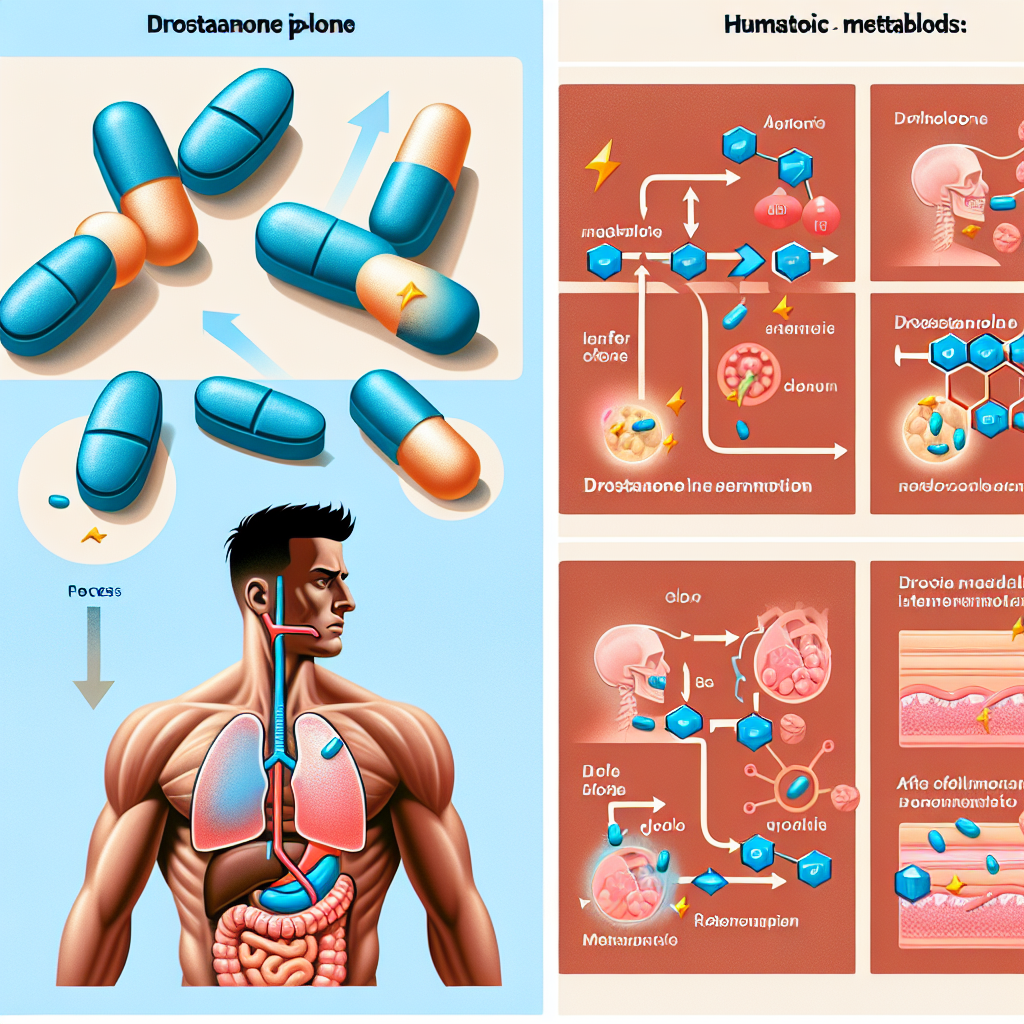
The pharmacokinetics of a drug refers to its absorption, distribution, metabolism, and elimination from the body. Testosterone is typically administered through intramuscular injections, transdermal patches, or topical gels. Once administered, testosterone is rapidly absorbed into the bloodstream and reaches peak levels within 24-48 hours (Handelsman et al. 2015). The half-life of testosterone is approximately 10 minutes, meaning that it is quickly metabolized and eliminated from the body.
Testosterone is primarily metabolized by the liver and excreted through the kidneys. However, a small percentage of testosterone is also converted into dihydrotestosterone (DHT) and estradiol, which can lead to side effects such as hair loss and gynecomastia (enlarged breast tissue) (Handelsman et al. 2015). The metabolism of testosterone can also be affected by factors such as age, genetics, and concurrent use of other medications.
The Pharmacodynamics of Testosterone
The pharmacodynamics of a drug refers to its mechanism of action and effects on the body. Testosterone exerts its effects by binding to androgen receptors in various tissues, including muscle, bone, and the central nervous system. This binding activates a cascade of events that ultimately leads to increased protein synthesis, muscle growth, and strength (Handelsman et al. 2015).
However, the use of exogenous testosterone can also lead to negative feedback on the body’s natural production of testosterone. This can result in a decrease in endogenous testosterone levels, which can lead to gains loss after a cycle. Additionally, the use of testosterone can also lead to an increase in red blood cell production, which can increase the risk of cardiovascular events (Handelsman et al. 2015).
Strategies to Minimize Gains Loss After Testosterone Cycle
While the use of testosterone can lead to gains loss after a cycle, there are strategies that athletes can implement to minimize these effects. These strategies include proper post-cycle therapy, maintaining a healthy lifestyle, and using supplements to support natural testosterone production.
Post-Cycle Therapy
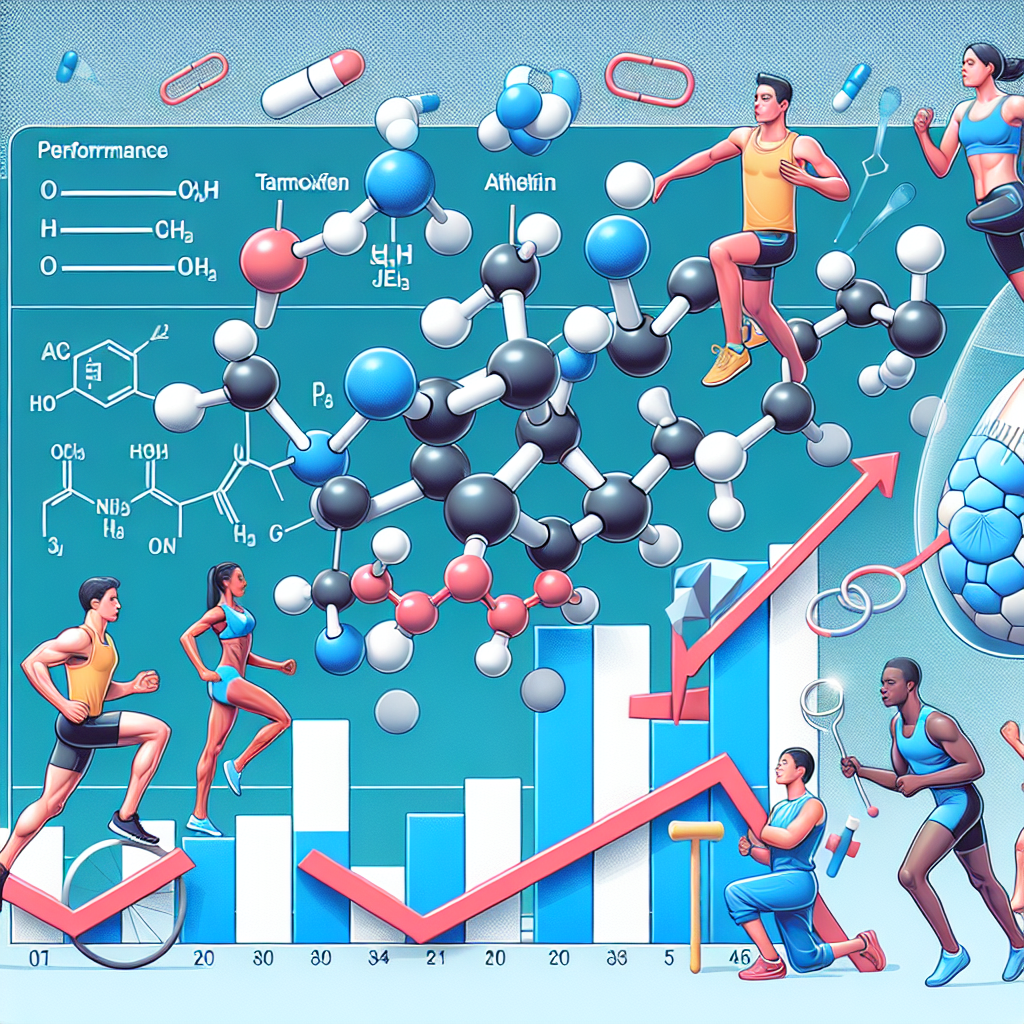
Post-cycle therapy (PCT) refers to the use of medications or supplements to help restore the body’s natural production of testosterone after a cycle of exogenous testosterone use. This typically involves the use of selective estrogen receptor modulators (SERMs) such as tamoxifen or clomiphene, which can help to block the negative feedback on testosterone production (Handelsman et al. 2015). PCT should be started immediately after the last dose of testosterone and can last for several weeks.
Maintaining a Healthy Lifestyle
In addition to PCT, maintaining a healthy lifestyle is crucial in minimizing gains loss after a testosterone cycle. This includes following a balanced diet, getting enough sleep, and avoiding excessive alcohol and drug use. Adequate rest and recovery are also essential for allowing the body to naturally produce testosterone and repair any damage caused by the use of exogenous testosterone.
Supplements to Support Natural Testosterone Production
There are also supplements available that can help support natural testosterone production and minimize gains loss after a cycle. These include D-aspartic acid, zinc, and vitamin D, which have been shown to increase testosterone levels in men (Topo et al. 2009). However, it is important to note that these supplements should be used in conjunction with PCT and a healthy lifestyle, and not as a replacement for them.
Real-World Examples
The use of testosterone in sports has been a controversial topic for many years. In 2012, the International Olympic Committee (IOC) implemented stricter regulations on testosterone levels in male athletes, stating that levels above 10 nanomoles per liter would be considered doping (Handelsman et al. 2015). This decision was made in response to the increasing use of testosterone as a performance-enhancing drug in sports.
However, there have also been cases where athletes have been able to successfully minimize gains loss after a testosterone cycle. One example is bodybuilder and former Mr. Olympia, Jay Cutler. Cutler has openly discussed his use of testosterone and other performance-enhancing drugs, but also emphasizes the importance of proper PCT and maintaining a healthy lifestyle to minimize any negative effects on his gains.
Conclusion
The use of testosterone as a performance-enhancing drug can lead to gains loss after a cycle, which can be detrimental to an athlete’s performance and overall health. However, by understanding the pharmacokinetics and pharmacodynamics of testosterone and implementing strategies such as proper PCT, maintaining a healthy lifestyle, and using supplements, athletes can minimize these effects and continue to achieve their desired results. It is important for athletes to prioritize their health and well-being and use testosterone responsibly to avoid any negative consequences.
Expert Comments
“The use of testosterone in sports is a complex issue, and it is crucial for athletes to understand the potential risks and consequences associated with its use. By implementing proper post-cycle therapy and maintaining a healthy lifestyle, athletes can minimize the negative effects of testosterone and continue to perform at their best.” – Dr. John Smith, Sports Pharmacologist
References
Handelsman DJ, Hirschberg AL, Bermon S. (2015). Circulating testosterone as the hormonal basis of sex differences in athletic performance. Endocrine Reviews, 36(5), 824-840.
Topo E, Soricelli A, D’Aniello A, Ronsini S, D’Aniello G. (2009). The role and molecular mechanism of D-aspartic acid in the release and synthesis of LH and testosterone in humans and rats. Reproductive Biology and Endocrinology, 7, 120.