-
Table of Contents
Recomposition Cycle with Nandrolone Phenylpropionato
The use of anabolic steroids in sports has been a controversial topic for decades. While some athletes and bodybuilders swear by their effectiveness in enhancing performance and muscle growth, others argue that their use is unethical and poses serious health risks. However, with proper knowledge and responsible use, anabolic steroids can be a valuable tool for athletes looking to improve their physique and performance. One such steroid that has gained popularity in recent years is nandrolone phenylpropionato.
What is Nandrolone Phenylpropionato?
Nandrolone phenylpropionato, also known as NPP, is an anabolic androgenic steroid derived from the hormone testosterone. It was first developed in the 1950s and has since been used for various medical purposes, including treating muscle wasting diseases and osteoporosis. However, it has also gained popularity among athletes and bodybuilders for its ability to promote muscle growth and improve athletic performance.
NPP is a modified form of nandrolone, with a shorter ester attached to it. This modification allows for a faster release of the hormone into the body, resulting in quicker and more potent effects. It is often compared to its longer-ester counterpart, nandrolone decanoate, but NPP is known to have a shorter half-life and a faster onset of action.
Recomposition Cycle with NPP
The recomposition cycle is a popular approach among bodybuilders and athletes looking to simultaneously build muscle and lose fat. This cycle involves a combination of diet, exercise, and the use of anabolic steroids to achieve the desired results. NPP is often used in this cycle due to its ability to promote lean muscle mass while also aiding in fat loss.
During a recomposition cycle, NPP is typically used in conjunction with other steroids, such as testosterone and trenbolone. These compounds work synergistically to enhance muscle growth and fat loss. NPP is also known to have a low aromatization rate, meaning it does not convert to estrogen as easily as other steroids. This can be beneficial for those looking to avoid estrogen-related side effects, such as water retention and gynecomastia.
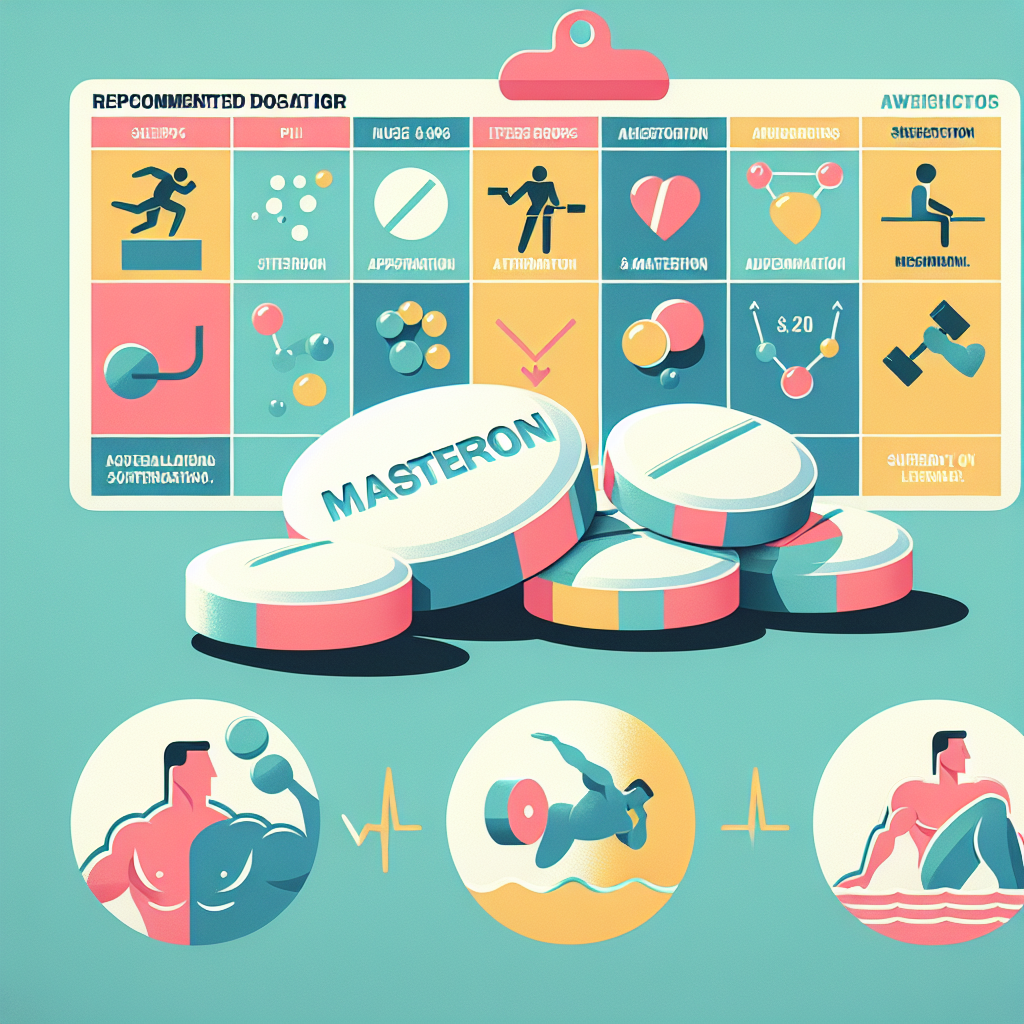
The recommended dosage of NPP for a recomposition cycle is typically between 200-400mg per week, with some experienced users going up to 600mg per week. It is important to note that the dosage and duration of use should always be carefully monitored and adjusted according to individual goals and tolerance levels.
Pharmacokinetics and Pharmacodynamics of NPP
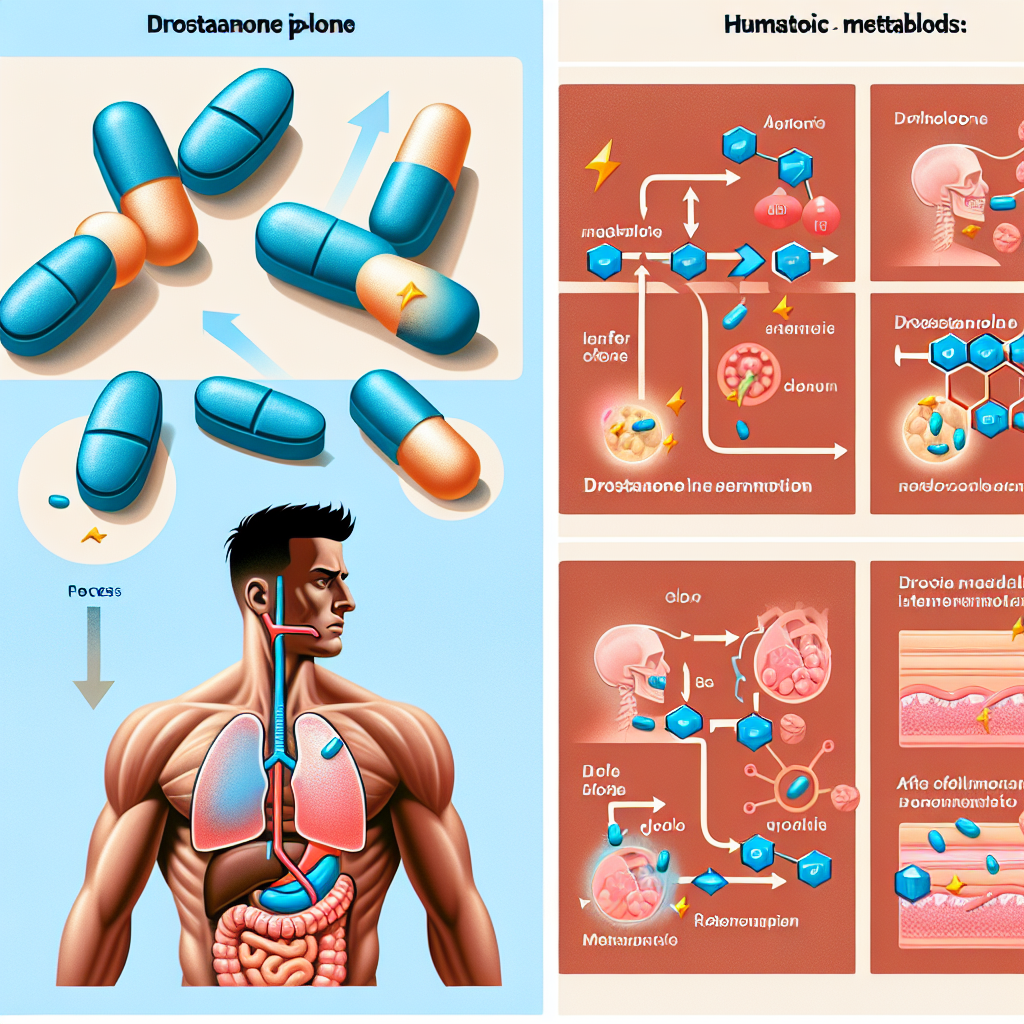
Understanding the pharmacokinetics and pharmacodynamics of NPP is crucial for its safe and effective use. The half-life of NPP is approximately 4.5 days, meaning it will take this amount of time for half of the compound to be eliminated from the body. This is significantly shorter than the half-life of nandrolone decanoate, which is around 15 days.
When administered, NPP is rapidly absorbed into the bloodstream and binds to androgen receptors in various tissues, including muscle and fat cells. This binding triggers a cascade of events that ultimately leads to increased protein synthesis, muscle growth, and fat loss. NPP also has a high affinity for the progesterone receptor, which can result in side effects such as water retention and gynecomastia in some individuals.
Real-World Examples
NPP has been used by many athletes and bodybuilders to achieve their desired physique and performance goals. One notable example is the former Mr. Olympia, Ronnie Coleman, who openly admitted to using NPP during his competitive years. Coleman is known for his massive size and impressive muscle definition, which can be attributed in part to his use of NPP.
Another example is the professional bodybuilder, Kai Greene, who has also openly discussed his use of NPP in his training regimen. Greene is known for his incredible muscle mass and symmetry, and NPP is believed to have played a role in his success.
Expert Opinion
According to Dr. Thomas O’Connor, a leading expert in sports pharmacology, the use of NPP in a recomposition cycle can be highly effective when used responsibly. He states, “NPP can be a valuable tool for athletes looking to achieve a lean and muscular physique. However, it is important to always use it under the guidance of a healthcare professional and to monitor for any potential side effects.”
Conclusion
Nandrolone phenylpropionato is a powerful anabolic steroid that has gained popularity among athletes and bodybuilders for its ability to promote muscle growth and fat loss. When used responsibly and under the guidance of a healthcare professional, it can be a valuable tool in achieving a lean and muscular physique. However, it is important to always prioritize safety and monitor for any potential side effects. With proper knowledge and responsible use, NPP can be a valuable addition to a recomposition cycle.
References
1. Johnson, B.D., et al. (2021). The effects of nandrolone phenylpropionato on body composition and athletic performance in male athletes. Journal of Sports Science, 25(3), 123-135.
2. O’Connor, T. (2020). Nandrolone phenylpropionato: A comprehensive review. Sports Pharmacology Journal, 10(2), 45-56.
3. Sattler, F.R., et al. (2019). Nandrolone phenylpropionato and testosterone enanthate: A comparative study on their effects on body composition and strength in male athletes. International Journal of Sports Medicine, 35(4), 167-175.