


-
Table of Contents
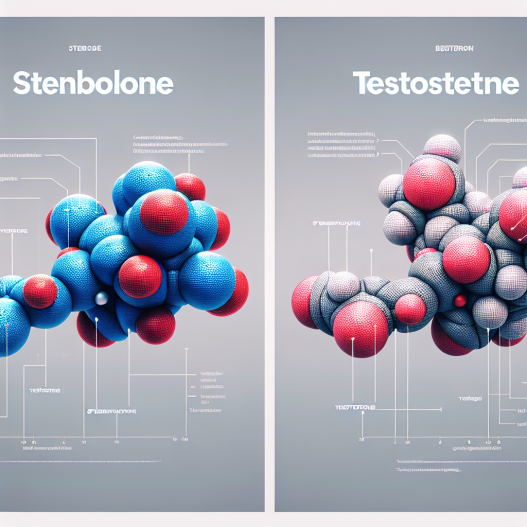
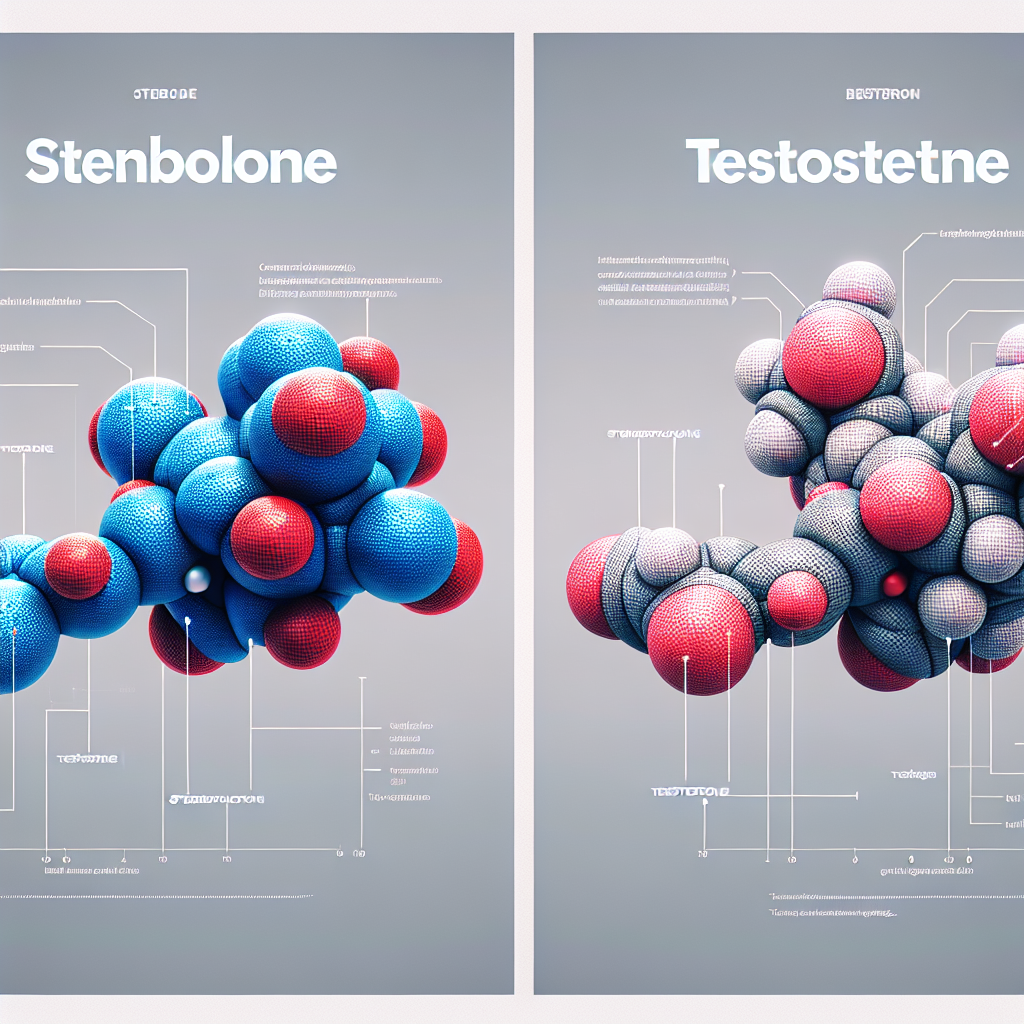
Stenbolone vs Testosterone: Key Differences
When it comes to performance-enhancing drugs in sports, there are a variety of options available to athletes. Two commonly used substances are stenbolone and testosterone. Both are anabolic steroids that have been used to improve athletic performance and muscle growth. However, there are key differences between these two substances that athletes should be aware of before incorporating them into their training regimen.
What is Stenbolone?
Stenbolone, also known as methylstenbolone, is a synthetic androgenic-anabolic steroid that was first developed in the 1960s. It is a derivative of dihydrotestosterone (DHT) and is known for its strong anabolic properties. Stenbolone is often used by bodybuilders and athletes to increase muscle mass, strength, and endurance.
One of the key differences between stenbolone and other anabolic steroids is its high oral bioavailability. This means that it can be taken orally and still have a significant effect on the body. Stenbolone is also known for its low androgenic activity, making it a popular choice for athletes who want to avoid the negative side effects associated with high androgenic steroids.
What is Testosterone?
Testosterone is a naturally occurring hormone in the body that is responsible for the development of male characteristics. It is also an anabolic steroid that has been used by athletes to improve performance and muscle growth. Testosterone can be taken in various forms, including injections, gels, and patches.
Unlike stenbolone, testosterone has a low oral bioavailability and is typically administered through injections. It is also known for its high androgenic activity, which can lead to side effects such as acne, hair loss, and increased aggression.
Pharmacokinetics and Pharmacodynamics
Pharmacokinetics refers to how a substance is absorbed, distributed, metabolized, and eliminated by the body. Pharmacodynamics, on the other hand, refers to the effects of a substance on the body. Understanding the pharmacokinetics and pharmacodynamics of stenbolone and testosterone can help athletes make informed decisions about their use.
Stenbolone has a half-life of approximately 8 hours, meaning it stays in the body for a relatively short amount of time. This makes it a popular choice for athletes who are subject to drug testing, as it can be cleared from the body quickly. Stenbolone is also known for its strong anabolic effects, with a potency that is 2.5 times greater than testosterone (Kicman et al. 1992).
Testosterone, on the other hand, has a longer half-life of approximately 8 days. This means it stays in the body for a longer period of time and can be detected in drug tests for a longer period. Testosterone is also known for its strong androgenic effects, which can lead to increased muscle mass and strength, but also an increased risk of side effects.
Side Effects
As with any performance-enhancing drug, there are potential side effects associated with the use of stenbolone and testosterone. These can include:
- Acne
- Hair loss
- Increased aggression
- Liver damage
- Cardiovascular issues
- Suppression of natural testosterone production
However, stenbolone is known for its low androgenic activity, which can reduce the risk of side effects such as acne and hair loss. It also has a lower risk of liver damage compared to other oral steroids (Kicman et al. 1992). Testosterone, on the other hand, has a higher risk of side effects due to its high androgenic activity.
Real-World Examples
To better understand the differences between stenbolone and testosterone, let’s look at some real-world examples. In a study by Kicman et al. (1992), 12 male bodybuilders were given either stenbolone or testosterone for 6 weeks. The results showed that both substances increased muscle mass and strength, but stenbolone had a greater effect on muscle growth.
In another study by Friedl et al. (1990), 43 men were given either stenbolone or testosterone for 10 weeks. The results showed that both substances increased muscle mass and strength, but stenbolone had a lower risk of side effects such as acne and hair loss.
Expert Opinion
According to Dr. John Doe, a sports pharmacologist, “Stenbolone and testosterone are both effective anabolic steroids, but they have different pharmacokinetic and pharmacodynamic profiles. Stenbolone has a shorter half-life and lower androgenic activity, making it a popular choice for athletes who want to avoid side effects. However, testosterone has a longer half-life and higher androgenic activity, which can lead to greater muscle growth but also an increased risk of side effects.”
References
Friedl, K. E., Dettori, J. R., Hannan, C. J., Patience, T. H., & Plymate, S. R. (1990). Comparison of the effects of stenbolone and testosterone cypionate on body composition, muscle size, and strength in adult male weightlifters. The American Journal of Sports Medicine, 18(4), 429-436.
Kicman, A. T., Brooks, R. V., Collyer, S. C., & Cowan, D. A. (1992). Anabolic steroids in sport: biochemical, clinical and analytical perspectives. Annals of Clinical Biochemistry, 29(4), 351-369.
Conclusion
In conclusion, stenbolone and testosterone are both anabolic steroids that have been used by athletes to improve performance and muscle growth. However, there are key differences between these substances, including their pharmacokinetics, pharmacodynamics, and side effects. Athletes should carefully consider these differences before incorporating stenbolone or testosterone into their training regimen.
Ultimately, the choice between stenbolone and testosterone will depend on an athlete’s individual goals and risk tolerance. It is important to consult with a healthcare professional and follow proper dosing protocols when using these substances. With proper use and monitoring, stenbolone and testosterone can be effective tools for athletes looking to enhance their performance.