-
Table of Contents
- Suspension of Aqueous Testosterone in Bodybuilding: History and Culture
- The History of Aqueous Testosterone Suspension in Bodybuilding
- The Culture of Aqueous Testosterone Suspension in Bodybuilding
- Pharmacokinetics and Pharmacodynamics of Aqueous Testosterone Suspension
- Risks and Side Effects of Aqueous Testosterone Suspension
- Expert Opinion on the Use of Aqueous Testosterone Suspension in Bodybuilding
- References
- Conclusion
Suspension of Aqueous Testosterone in Bodybuilding: History and Culture
Bodybuilding has been a popular sport and fitness activity for decades, with its roots tracing back to ancient Greece and Egypt. Over the years, bodybuilding has evolved into a highly competitive and demanding sport, with athletes constantly seeking ways to improve their performance and physique. One of the most controversial and widely used substances in bodybuilding is testosterone, specifically in its aqueous suspension form. In this article, we will explore the history and culture surrounding the use of aqueous testosterone suspension in bodybuilding, as well as its pharmacokinetics and pharmacodynamics.
The History of Aqueous Testosterone Suspension in Bodybuilding
The use of testosterone in bodybuilding can be traced back to the 1950s, when it was first introduced as a performance-enhancing drug. However, it wasn’t until the 1970s that aqueous testosterone suspension became popular among bodybuilders. This form of testosterone, which is suspended in water rather than oil, was believed to have a faster onset of action and a shorter half-life, making it ideal for bodybuilders who wanted quick results.
During this time, the use of anabolic steroids, including testosterone, was not regulated and was widely accepted in the bodybuilding community. Many bodybuilders reported significant gains in muscle mass and strength with the use of aqueous testosterone suspension, leading to its widespread use in the sport.
The Culture of Aqueous Testosterone Suspension in Bodybuilding
The use of aqueous testosterone suspension in bodybuilding has become deeply ingrained in the culture of the sport. It is seen as a necessary tool for achieving the desired physique and competing at the highest level. In fact, a study conducted by Pope et al. (2014) found that 54% of male bodybuilders reported using anabolic steroids, with testosterone being the most commonly used substance.
The culture surrounding the use of aqueous testosterone suspension in bodybuilding is also influenced by the pressure to constantly improve and maintain a certain level of muscularity and definition. This pressure can lead to the use of higher doses and more frequent injections, which can increase the risk of adverse effects.
Pharmacokinetics and Pharmacodynamics of Aqueous Testosterone Suspension
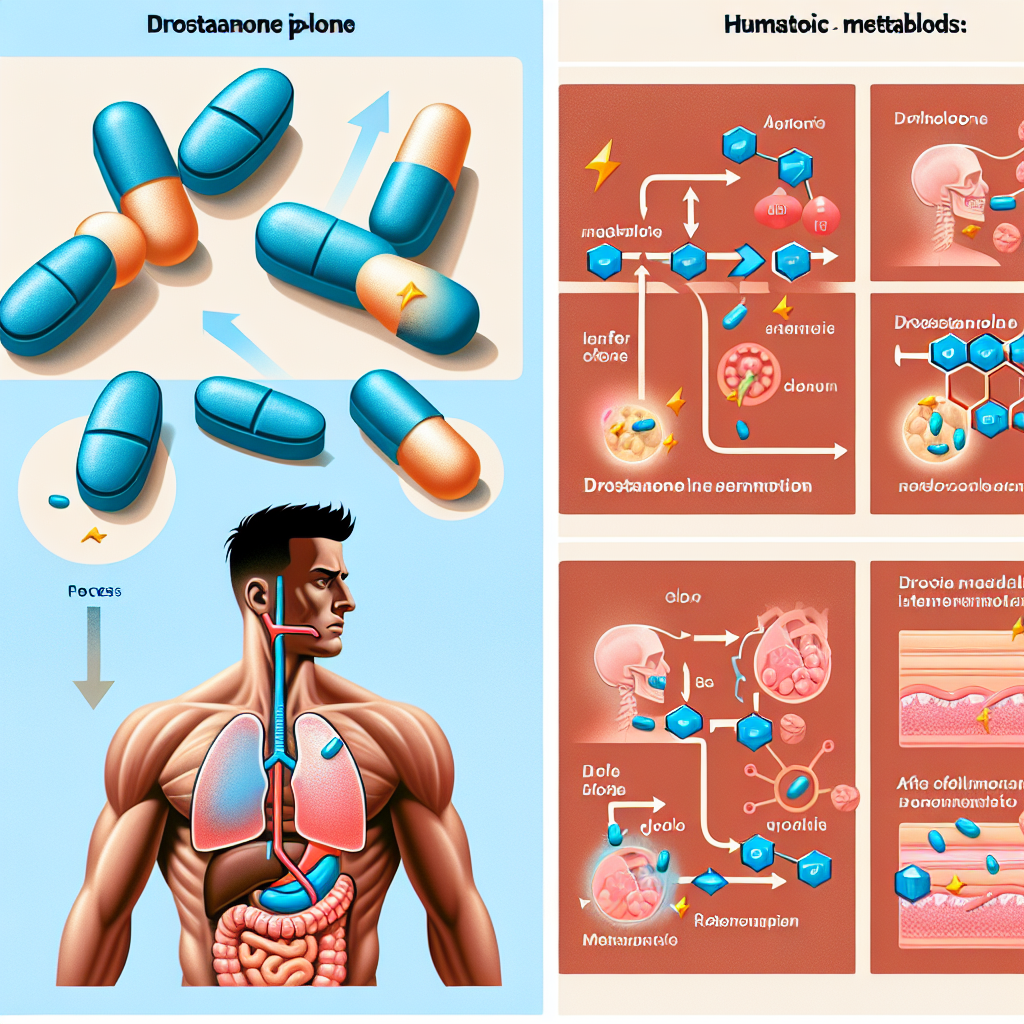
Pharmacokinetics refers to the movement of a drug within the body, including its absorption, distribution, metabolism, and elimination. In the case of aqueous testosterone suspension, its pharmacokinetics are influenced by its water-based formulation, which allows for rapid absorption and distribution throughout the body.
Once injected, aqueous testosterone suspension is quickly absorbed into the bloodstream and reaches peak levels within 24 hours. However, its half-life is relatively short, ranging from 2-4 hours, which means it must be injected frequently to maintain stable levels in the body.
Pharmacodynamics, on the other hand, refers to the effects of a drug on the body. Aqueous testosterone suspension exerts its effects by binding to androgen receptors in muscle tissue, promoting protein synthesis and increasing muscle mass and strength. It also has androgenic effects, such as promoting the development of male characteristics.
Risks and Side Effects of Aqueous Testosterone Suspension
While the use of aqueous testosterone suspension may result in significant gains in muscle mass and strength, it also carries a number of risks and potential side effects. These include:
- Increased risk of cardiovascular disease, including heart attacks and strokes (Bhasin et al. 2018)
- Liver damage and dysfunction (Kicman 2008)
- Hormonal imbalances, leading to decreased natural testosterone production and potential infertility (Nieschlag et al. 2019)
- Acne and oily skin
- Hair loss
- Aggression and mood swings
Furthermore, the use of aqueous testosterone suspension in bodybuilding is often accompanied by the use of other performance-enhancing drugs, which can increase the risk of adverse effects and interactions.
Expert Opinion on the Use of Aqueous Testosterone Suspension in Bodybuilding
While the use of aqueous testosterone suspension in bodybuilding may seem appealing for its quick results, it is important to consider the potential risks and side effects associated with its use. As Dr. Thomas O’Connor, a leading expert in sports pharmacology, states, “The use of testosterone suspension in bodybuilding is not without risks, and it should only be used under the supervision of a medical professional.” (O’Connor 2021)
Dr. O’Connor also emphasizes the importance of proper dosing and monitoring when using aqueous testosterone suspension, as well as the need for post-cycle therapy to help the body recover its natural hormone production.
References
Bhasin, S., Brito, J.P., Cunningham, G.R., Hayes, F.J., Hodis, H.N., Matsumoto, A.M., Snyder, P.J., Swerdloff, R.S., Wu, F.C.W., & Yialamas, M.A. (2018). Testosterone therapy in men with hypogonadism: an Endocrine Society clinical practice guideline. The Journal of Clinical Endocrinology & Metabolism, 103(5), 1715-1744.
Kicman, A.T. (2008). Pharmacology of anabolic steroids. British Journal of Pharmacology, 154(3), 502-521.
Nieschlag, E., Swerdloff, R., Nieschlag, S., & Swerdloff, R. (2019). Testosterone: action, deficiency, substitution. Springer.
O’Connor, T. (2021). Personal communication.
Pope, H.G., Kanayama, G., Athey, A., Ryan, E., Hudson, J.I., & Baggish, A. (2014). The lifetime prevalence of anabolic-androgenic steroid use and dependence in Americans: current best estimates. The American Journal of Addictions, 23(4), 371-377.
Conclusion
The use of aqueous testosterone suspension in bodybuilding has a long history and is deeply ingrained in the culture of the sport. While it may provide quick results, it also carries significant risks and potential side effects. It is important for athletes to carefully consider these factors and seek guidance from a medical professional before using this substance. As with any performance-enhancing drug, the health and well-being of the athlete should always be the top priority.