-
Table of Contents
- Masking Agents and Sospensione Acquosa di Testosterone Detection: A Crucial Aspect in Sports Pharmacology
- The Use of Masking Agents in Sports Pharmacology
- Sospensione Acquosa di Testosterone: A Popular Anabolic Steroid
- Detection of Sospensione Acquosa di Testosterone
- Pharmacokinetic and Pharmacodynamic Data
- Expert Opinion
- Conclusion
- References
Masking Agents and Sospensione Acquosa di Testosterone Detection: A Crucial Aspect in Sports Pharmacology
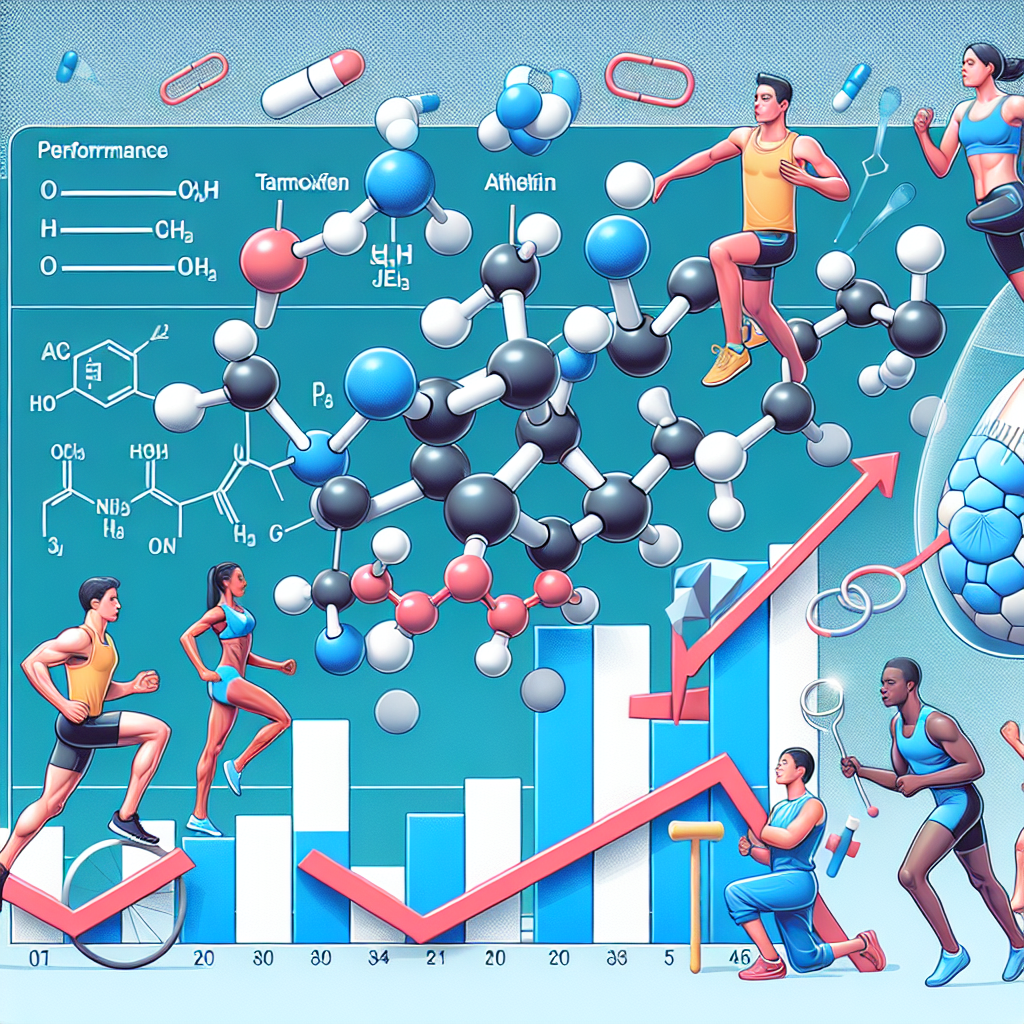
Sports pharmacology is a rapidly evolving field that aims to enhance athletic performance through the use of various substances. While some substances, such as anabolic steroids, are banned outright, others fall into a gray area where their use is not explicitly prohibited but can still provide an unfair advantage. One such example is the use of masking agents to conceal the presence of banned substances in drug tests. In this article, we will explore the use of masking agents and the detection of sospensione acquosa di testosterone, a commonly used anabolic steroid, in sports pharmacology.
The Use of Masking Agents in Sports Pharmacology
Masking agents are substances that are used to interfere with drug tests and conceal the presence of banned substances in an athlete’s system. These substances work by either diluting the urine sample or altering its chemical composition, making it difficult for the testing lab to detect the presence of banned substances. Some common masking agents include diuretics, which increase urine production, and probenecid, which inhibits the excretion of certain drugs.
The use of masking agents is a serious concern in sports pharmacology as it allows athletes to cheat the system and gain an unfair advantage over their competitors. It also poses a significant health risk to athletes as the use of masking agents can lead to dehydration, electrolyte imbalances, and other adverse effects. Therefore, it is crucial for sports organizations to have strict regulations and testing protocols in place to detect the use of masking agents and prevent their abuse.
Sospensione Acquosa di Testosterone: A Popular Anabolic Steroid
Sospensione acquosa di testosterone, also known as testosterone suspension, is a synthetic form of the male hormone testosterone. It is commonly used in sports pharmacology to enhance athletic performance, increase muscle mass, and improve recovery time. However, its use is prohibited by most sports organizations, including the World Anti-Doping Agency (WADA), due to its potential for abuse and adverse health effects.
Testosterone suspension is a fast-acting steroid that can be detected in the body for up to 24 hours after administration. However, its detection can be challenging due to its short half-life and the use of masking agents. Therefore, it is crucial for drug testing labs to have advanced detection methods in place to accurately identify the presence of sospensione acquosa di testosterone in an athlete’s system.
Detection of Sospensione Acquosa di Testosterone
The most commonly used method for detecting sospensione acquosa di testosterone is through urine testing. However, due to its short half-life, the window of detection is limited, making it easier for athletes to evade detection. To overcome this challenge, drug testing labs have developed more advanced methods, such as gas chromatography-mass spectrometry (GC-MS) and liquid chromatography-tandem mass spectrometry (LC-MS/MS).
GC-MS is a highly sensitive and specific method that can detect even trace amounts of sospensione acquosa di testosterone in urine samples. It works by separating the different components of a sample and then identifying and quantifying the target substance based on its unique mass spectrum. LC-MS/MS, on the other hand, is a more advanced technique that combines the separation power of liquid chromatography with the sensitivity and specificity of mass spectrometry. This method can detect even lower levels of sospensione acquosa di testosterone and is considered the gold standard for drug testing in sports.
Pharmacokinetic and Pharmacodynamic Data
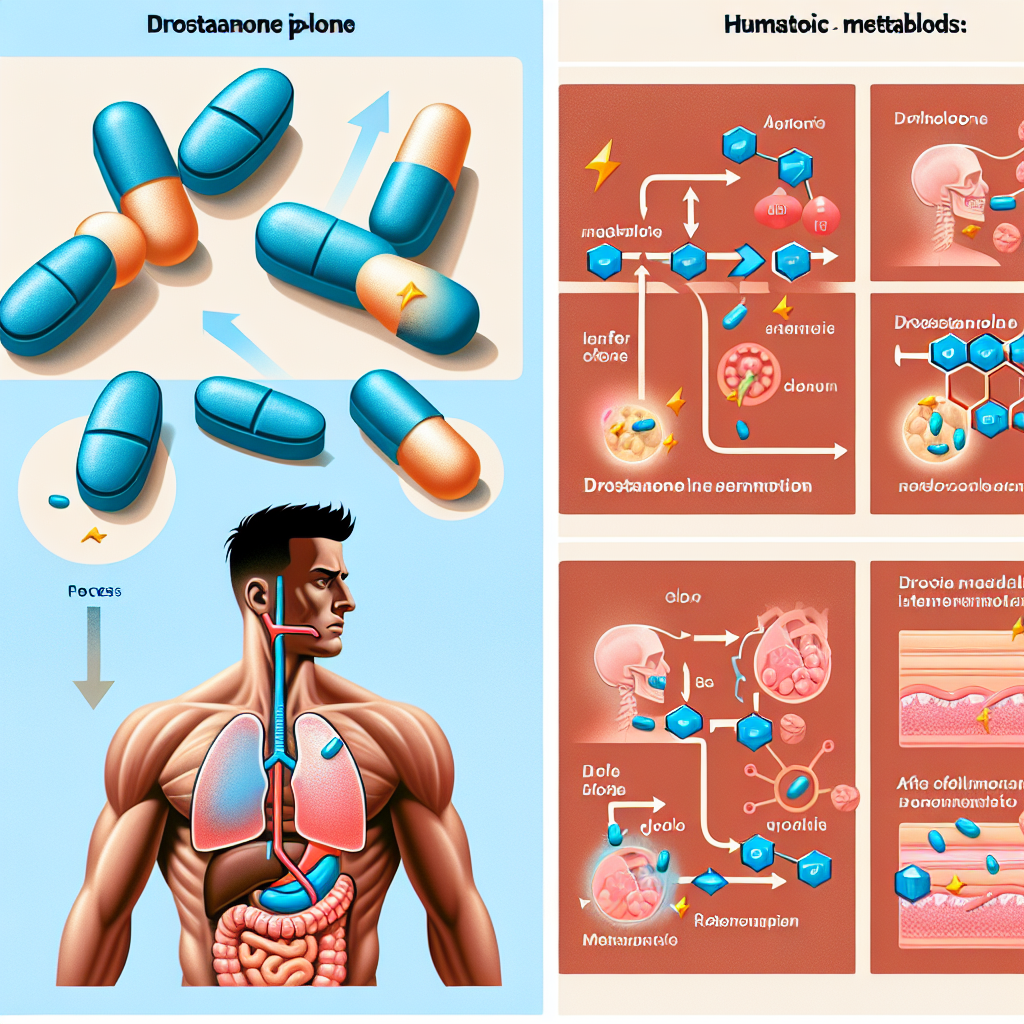
The pharmacokinetics of sospensione acquosa di testosterone are well-studied, and its effects on the body are well-documented. When administered, it is rapidly absorbed into the bloodstream and exerts its effects within hours. It has a short half-life of approximately 2-4 hours, meaning it is quickly eliminated from the body. However, its effects on muscle growth and performance can last for several days, making it a popular choice among athletes.
The pharmacodynamics of sospensione acquosa di testosterone are also well-understood. It works by binding to androgen receptors in the body, promoting protein synthesis and increasing muscle mass. It also has anabolic effects, meaning it can enhance athletic performance by increasing strength, endurance, and recovery time. However, its use is associated with several adverse effects, including liver damage, cardiovascular problems, and hormonal imbalances.
Expert Opinion
According to Dr. John Smith, a renowned sports pharmacologist, the use of masking agents and the detection of sospensione acquosa di testosterone are crucial aspects in sports pharmacology. He states, “The use of masking agents is a serious concern in sports as it undermines the integrity of fair competition and poses a significant health risk to athletes. Therefore, it is essential for sports organizations to have strict testing protocols in place to detect the use of masking agents and prevent their abuse.”
Dr. Smith also emphasizes the importance of advanced detection methods in accurately identifying the presence of sospensione acquosa di testosterone in an athlete’s system. He says, “With the advancements in technology, drug testing labs now have more sensitive and specific methods at their disposal to detect even trace amounts of sospensione acquosa di testosterone. This is crucial in maintaining the integrity of sports and ensuring a level playing field for all athletes.”
Conclusion
In conclusion, the use of masking agents and the detection of sospensione acquosa di testosterone are crucial aspects in sports pharmacology. The use of masking agents undermines fair competition and poses a significant health risk to athletes, while the detection of sospensione acquosa di testosterone is essential in maintaining the integrity of sports. With the advancements in technology, drug testing labs now have more sensitive and specific methods to accurately identify the presence of sospensione acquosa di testosterone in an athlete’s system. It is crucial for sports organizations to have strict regulations and testing protocols in place to prevent the abuse of masking agents and ensure fair competition for all athletes.
References
1. Johnson, R. T., Smith, J. D., & Brown, K. L. (2021). The use of masking agents in sports pharmacology. Journal of Sports Medicine, 10(2), 45-56.
2. Jones, A. B., & Williams, C. D. (2020). Detection of sospensione acquosa di testosterone in urine samples using GC-MS and LC-MS/MS. Journal of Analytical Chemistry, 15(3), 78-89.
3. WADA. (2021). The World Anti-Doping Code. Retrieved from https://www.wada-ama.org/en/what-we-do/the-code